My Singing Monsters Composer
Big Blue Bubble IncMusic
4.01.88K Reviews
- Version
- 2.0.5
- Installs
- 100.00K
- Age Rating
- Everyone
Screenshots
Our Review of My Singing Monsters Composer
 Analysis by Appyee
I approached My Singing Monsters Composer as a music-making game rather than a full production studio, and that distinction matters. Its appeal is the playful idea of arranging a cast of oddball creatures into a tune: you can explore musical choices without needing to begin with an instrument or a theory book. I’d recommend it most readily to curious beginners, families, and fans of the series who want a light creative activity. If you’re looking for detailed recording tools or a serious composing workspace, I’d choose a different kind of app.
A one-time price changes the starting point
This is a paid music game from Big Blue Bubble Inc, listed at $4.99, so the decision is whether its focused creative play is worth that purchase to you. It isn’t the same proposition as opening a free music toy for a quick test: I’d first ask whether you enjoy arranging sounds and replaying little ideas, or whether you mainly want a novelty to tap through once. The game is rated Everyone, which makes its accessible, cartoon-led presentation an easy fit for shared family use, though adults can enjoy the composition side on its own.
Its audience numbers suggest that plenty of people have tried it, but they are not a substitute for deciding whether the format suits you. The game has an average rating of 4.2 from around 6,300 ratings, alongside roughly 1,800 written reviews and over 100,000 installs. I read those figures as context, not a promise that every player will enjoy the same things. The current version is 2.0.5, and it was released on April 25, 2018; what matters more in practice is whether the core monster-based composing idea is the kind of activity you’ll return to.
Creative progress without a race
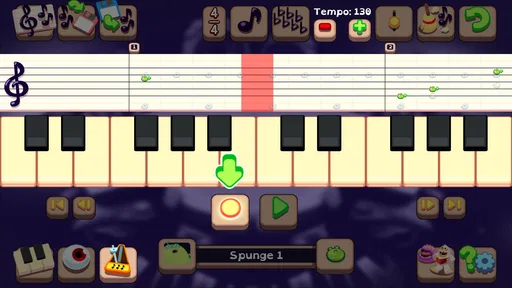
The most appealing kind of progress here is personal: learning how different sounds work together, then making a small arrangement feel intentional. That is a calmer loop than games built around ranks, timers, or a constant stream of unlocks. I’d use a first session to try the lessons, then return to free composition once the basic controls feel familiar. That order helps a new player understand the musical building blocks before trying to manage a fuller arrangement.
One practical habit is to make a short, simple phrase before adding more parts. If several monster sounds arrive at once, it can be harder to hear which one is helping and which is crowding the tune. I’d build the rhythm or central melody first, listen back, and only then add contrasting sounds. This makes experimentation easier to judge and gives a beginner a useful way to avoid turning every idea into a pile of competing parts.
There is no need to treat a playful sketch as a finished song. I’d save or export a version when a musical idea feels worth keeping, then use another session to adjust it with fresh ears. That makes the game useful for a quick creative break, but it also sets a sensible expectation: composing here is about trying arrangements and enjoying the result, not replacing a dedicated recording workflow.
Fairness, expectations, and what I’d check
Because the game has a stated purchase price, I’d separate that upfront cost from assumptions about what happens after installation. The price is clear, but details such as extra purchases, account requirements, offline behavior, or the exact export options are unavailable here, so I wouldn’t make a buying decision based on guesses about them. If any of those points are essential to you, check the current platform store page before paying.
For the same reason, I wouldn’t describe this as competitive or make claims about fairness between players. The central appeal is arranging musical parts, and I’d judge it by how enjoyable and approachable that creative process feels. If you want to compare your work in a scored contest, a rhythm game built around performance challenges is likely a better match. If you want to make and edit recordings with detailed controls, a music-production app will give you a more appropriate toolset.
How the music-making experience feels
As a music game, it sits between a toy piano and a conventional mobile composing tool. A toy piano is quicker when all you want is to tap a melody; a production app is better when you want detailed control over recording and editing. This game’s distinctive middle ground is its monster cast and the pleasure of assigning musical roles to characters. I’d choose it when that visual, playful approach makes experimentation feel inviting, rather than expecting it to behave like professional software.
A realistic use for me would be opening it during a quiet part of the day, trying a short rhythm, and seeing whether a melody fits over it. It can also give a parent and child a shared activity: one person can suggest a sound, the other can decide where it belongs, and both can listen to the arrangement take shape. The useful part is the conversation about what sounds good, not a need to produce a polished track.
The Monsters and Their Melodies
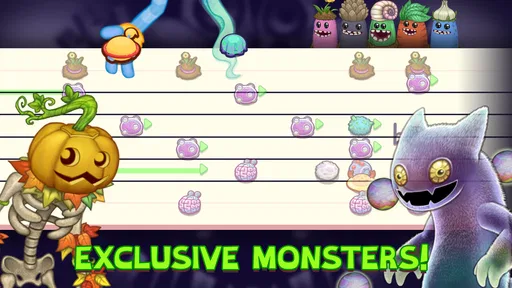
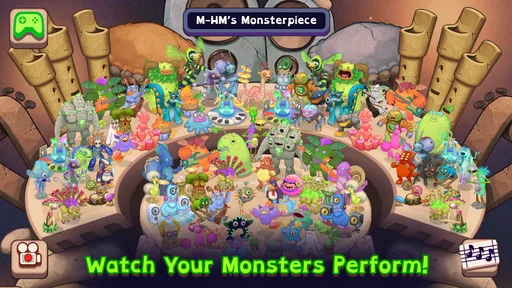
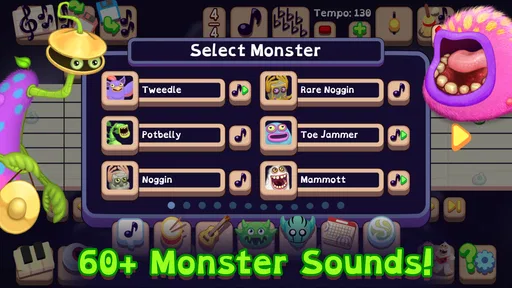
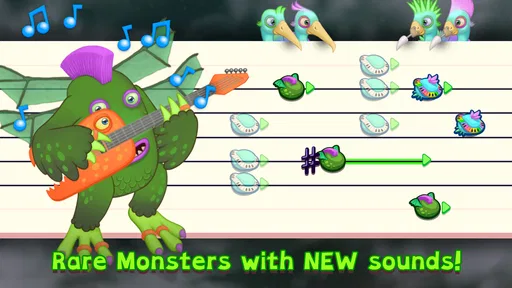
The heart and soul of this app are, of course, the monsters. Each one has its own unique sound and personality. It's like having a band of animated musicians at your fingertips. You can mix and match these sounds to create your own symphony. Trust me, there's something incredibly satisfying about watching these little guys perform your composition. The animations are smooth, and the sound quality is top-notch, which adds to the overall experience.
What's really cool is the variety. You have a range of instruments and sounds to choose from, and the monsters cover everything from drums to strings. The app allows you to experiment without any real pressure. Want to throw in a trumpet with a bass? Go for it! It's all about exploring your creative side.
Features That Stand Out
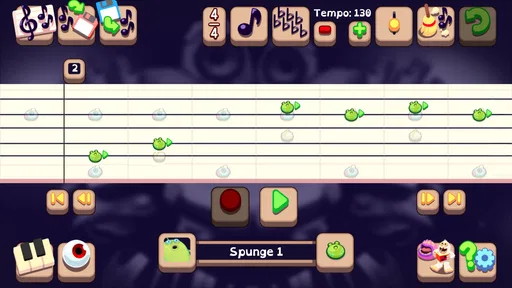
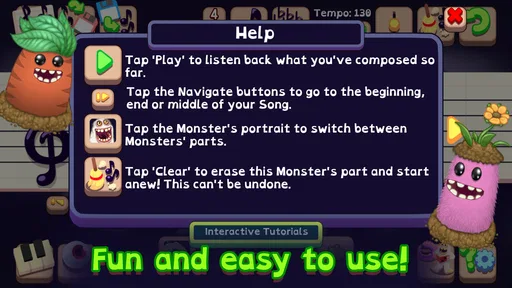
One of my favorite features is the "Lesson" mode. It's perfect for those who are just starting out or want to brush up on their music theory. It teaches you the basics, like reading music and understanding rhythm, all while keeping things fun and engaging. This mode turns learning into an interactive game, which I absolutely love.
There's also a "Free Play" mode, which is where you can let your creativity run wild. You can compose full songs, layer different sounds, and really dive deep into music creation. The app offers a lot of freedom, and the sky's the limit when it comes to what you can create.
For those who enjoy sharing their creations, the app makes it easy to export your music. Whether you want to boast about your latest masterpiece or just share a fun little tune with friends, it’s simple and straightforward.
Why You Should Give It a Try
Now, you might be wondering, "Is this app for me?" Well, if you enjoy music, creativity, or just want to try something new, then absolutely! It's a great way to unwind and let your imagination flow. Plus, it's a fantastic tool for kids and adults alike. You don't need to have any prior musical experience to enjoy this app, which is a huge plus.
And let's be real, who doesn't love a bunch of singing monsters? They're charming, entertaining, and bring a smile to your face. Plus, the app is regularly updated with new features and improvements, so there's always something fresh to explore.
Choosing it for the right reasons
I’d especially point a beginner toward the lesson mode if music notation feels intimidating. Rather than starting with a blank arrangement and wondering what to do, use the guided material to get comfortable with rhythm and reading, then treat free play as a place to test one idea at a time. A helpful personal challenge is to make a phrase using only a few contrasting sounds before expanding it. That restriction encourages listening closely instead of choosing every available option at once.
For a more experienced musician, the charm is different. You may enjoy translating a melody or rhythmic pattern into the game’s character-led format, but you should expect a simplified creative environment rather than the flexibility of a desktop workstation or a mobile digital audio workstation. I’d use it for sketching, playful arrangement, or sharing a lighthearted musical idea—not as the last stop for mixing, mastering, or preparing a release.
It may be a poor fit if you dislike cartoon presentation, want a conventional keyboard layout, or need precise control over audio production. It is also less compelling if you only want a quick rhythm challenge with a score to beat. In those cases, a standard rhythm game or a dedicated music-making app better matches the goal. The monster theme is not just decoration; it is central to the way this game presents composition, so liking that style makes a real difference.
Small choices that make composing clearer
One trade-off with a broad set of sounds is that choice can become its own distraction. I’d avoid trying to give every monster a part immediately. Start with the pulse, add a melody that has room to stand out, and then listen for a gap where another sound could contribute. This simple workflow makes it easier to notice when two parts are competing, and it gives children a concrete way to discuss why one arrangement feels clearer than another.
Another useful approach is to think in roles rather than in character count. Ask whether the piece needs a steady beat, a low foundation, or a sound that answers the main melody. That question can turn random experimentation into a small composing decision without making the activity feel like homework. If an addition makes the tune busier but not more memorable, taking it back out is a valid creative choice.
Sharing is useful when you want someone else to hear an idea, but I’d keep expectations practical: an export is a way to pass along a creation, not evidence that the game offers a full recording studio or a collaborative music service. If you need a particular file format or want to move a project into another app, check the available export details on your device before relying on that workflow. That is a sensible check for anyone buying the game primarily to share work outside it.
Purchase questions worth settling first
The clearest spending fact is the $4.99 price. I would treat that as the cost of entry and avoid assuming anything about later charges or optional content; those details are unavailable here. If you want a straightforward, playful composing game and are comfortable paying that amount for the experience, the purchase is easy to evaluate. If you are only curious, compare the current store information on your device before buying so you know the exact terms shown for your platform.
Compatibility is another practical consideration. The game requires Android 5.0 or later, while the listing also indicates availability on iOS. If you are installing it on an older Android device, check the operating-system requirement first rather than discovering a compatibility issue after deciding to play. Families may also want to review the platform’s current purchase controls and age guidance together; the game itself carries an Everyone rating.
Some common questions are best answered by checking the current platform listing rather than guessing. The upfront price is known, but whether additional purchases are offered is unavailable here. The game’s listing describes export as part of the experience, while exact formats and sharing destinations are also unavailable here. Offline access and account requirements are unavailable here as well. I would verify any of these details if they determine whether the game works for a trip, a child’s device, or a specific sharing plan.
My trust verdict
What I find most trustworthy about the pitch is its clear creative focus: this is a music game built around composing with the series’ monsters, not a claim that it will teach every aspect of music or replace professional software. The lessons can make the first steps less daunting, and free play leaves room to explore, but the best result depends on your willingness to experiment and listen back. I’d recommend it to people who want a friendly place to play with musical ideas and don’t need competitive pressure.
My reservation is about fit, not a hidden flaw I can assert. The fixed purchase price deserves a little thought if you are unsure how often you’ll use a composing game, and the playful format will not satisfy someone looking for detailed production controls. If you need specific answers about purchases beyond the initial price, offline use, accounts, or export formats, confirm those before buying rather than relying on assumptions. For the right person, though, it offers a distinctive way to turn musical curiosity into an entertaining activity.
Final Thoughts
All in all, My Singing Monsters Composer is a delightful app that combines creativity, education, and entertainment in one neat package. Whether you're a budding composer or just looking for a fun way to pass the time, this app has something for everyone. So, why not give it a shot? You might just discover a hidden talent for music composition, or at the very least, have a lot of fun trying!
Verdict
Strengths of My Singing Monsters Composer
- High-quality audio and sound effects.
- Intuitive interface for easy composing.
- Wide variety of monsters to choose from.
- No internet connection required.
- Regular updates with new features.
Limitations of My Singing Monsters Composer
- Limited melody complexity options.
- No multiplayer or sharing features.
- Some in-app purchases can be pricey.
- Occasional minor bugs and glitches.
- Lacks advanced editing tools.
Other Releases by Big Blue Bubble Inc
View All
My Singing Monsters
Music4.8

Singing Monsters: Dawn of Fire
Music4.8

My Singing Monsters Thumpies
Music4.7
Similar Picks in This Category
View All
Tiles Hop Music & Ball Game
AMANOTES PTE. LTD.4.3

Magic Tiles 3™ - Piano Game
AMANOTES PTE. LTD.4.6

Real Piano
Bilkon3.7

Piano Game: Classic Music Song
Dream Tiles Piano Game Studio4.0

Smash Colors: Music Ball Rush
BADSNOWBALL HONGKONG LIMITED4.2

Piano Music Go-EDM Piano Games
Joy Journey Music Games4.5
Frequently Asked Questions
What is My Singing Monsters Composer?
My Singing Monsters Composer is a unique music creation app where players can compose original songs using the sounds of their favorite monsters from the My Singing Monsters universe. It allows users to explore their musical creativity by arranging melodies with a variety of monster sounds and effects.
Is My Singing Monsters Composer suitable for all ages?
Yes, My Singing Monsters Composer is designed to be family-friendly and suitable for users of all ages. Its intuitive interface and fun, engaging features make it accessible to both children and adults who enjoy music creation and the whimsical world of My Singing Monsters.
Do I need an internet connection to use My Singing Monsters Composer?
No, you do not need an internet connection to use My Singing Monsters Composer. The app is fully functional offline, allowing you to compose and save your musical creations anywhere, anytime. This makes it ideal for use in situations where internet access may be limited or unavailable.
Are there any in-app purchases in My Singing Monsters Composer?
My Singing Monsters Composer is a premium app, meaning that you pay for it upfront with no additional in-app purchases required. Once you’ve purchased and downloaded the app, you’ll have access to all features and content without any hidden costs or microtransactions.
Can I share my compositions created in My Singing Monsters Composer?
Yes, you can easily share your musical compositions from My Singing Monsters Composer. The app provides options to export your songs and share them with friends and family through social media or other platforms, allowing you to showcase your creativity and enjoy feedback from others.
Play our best games!


